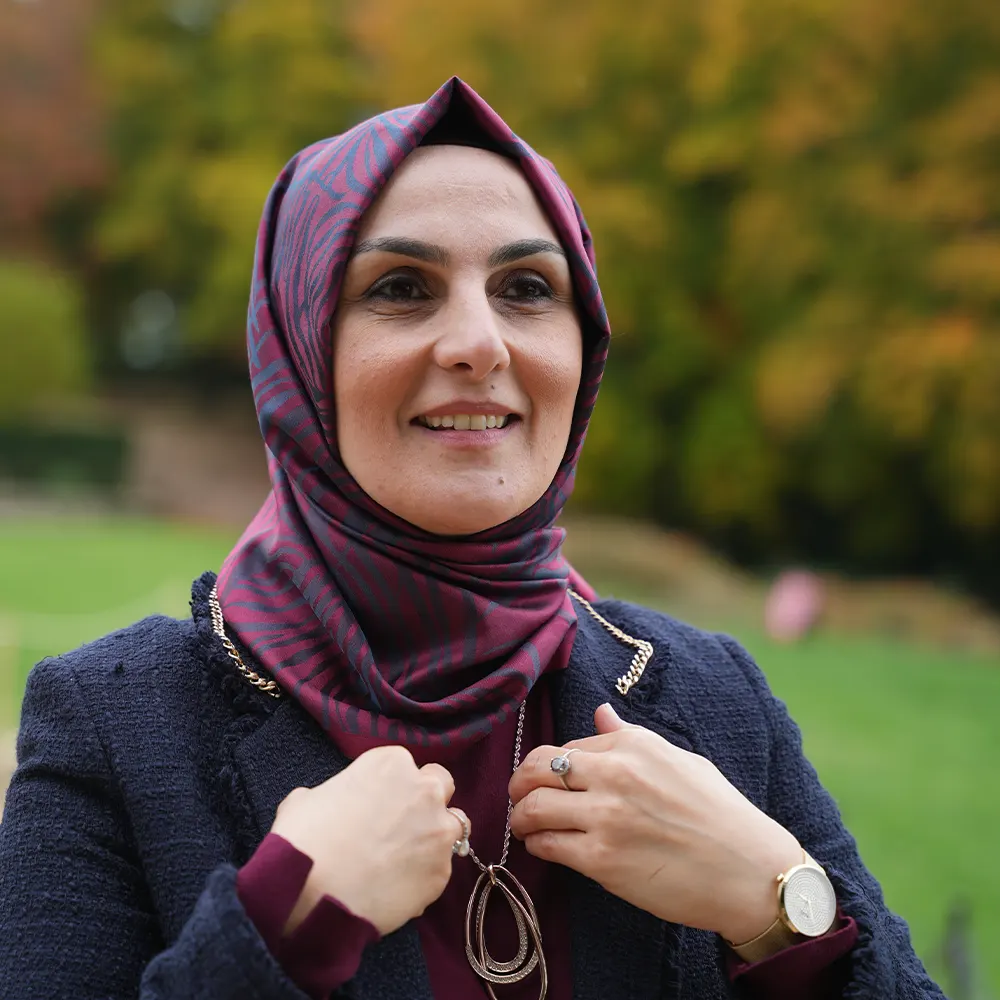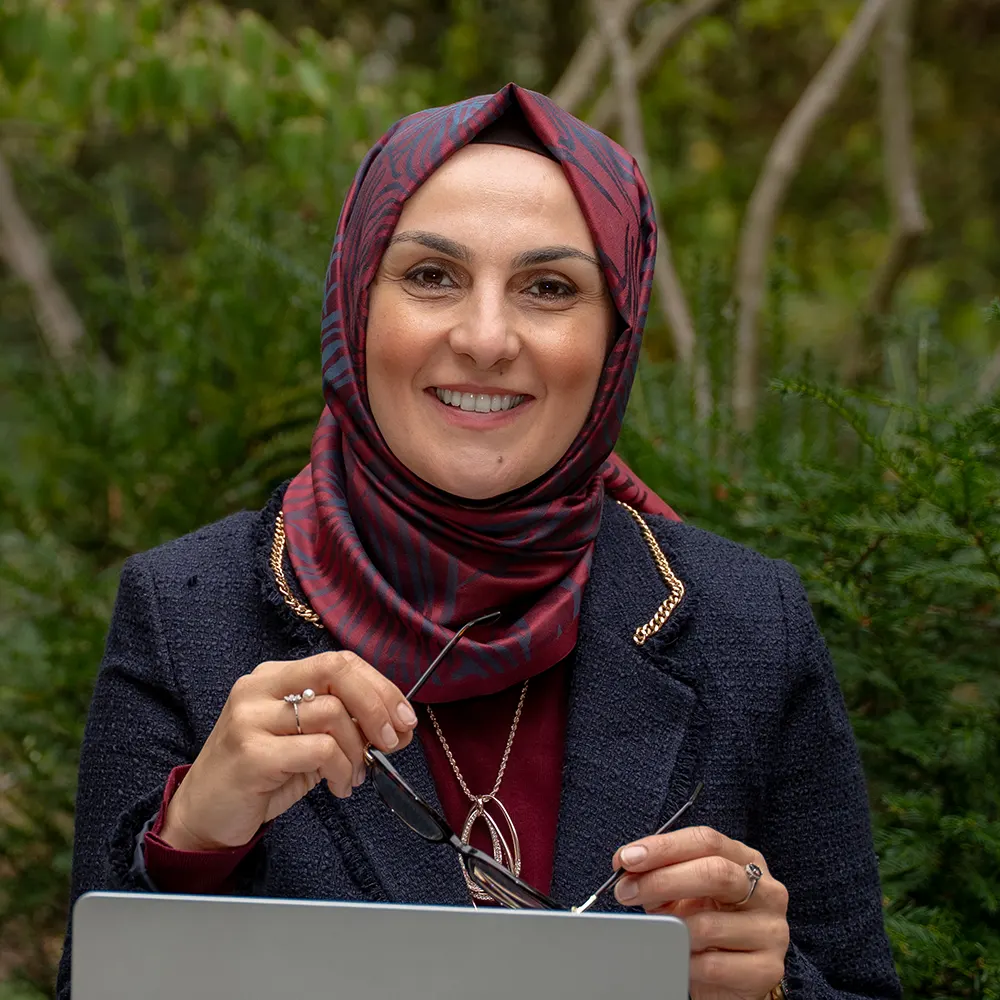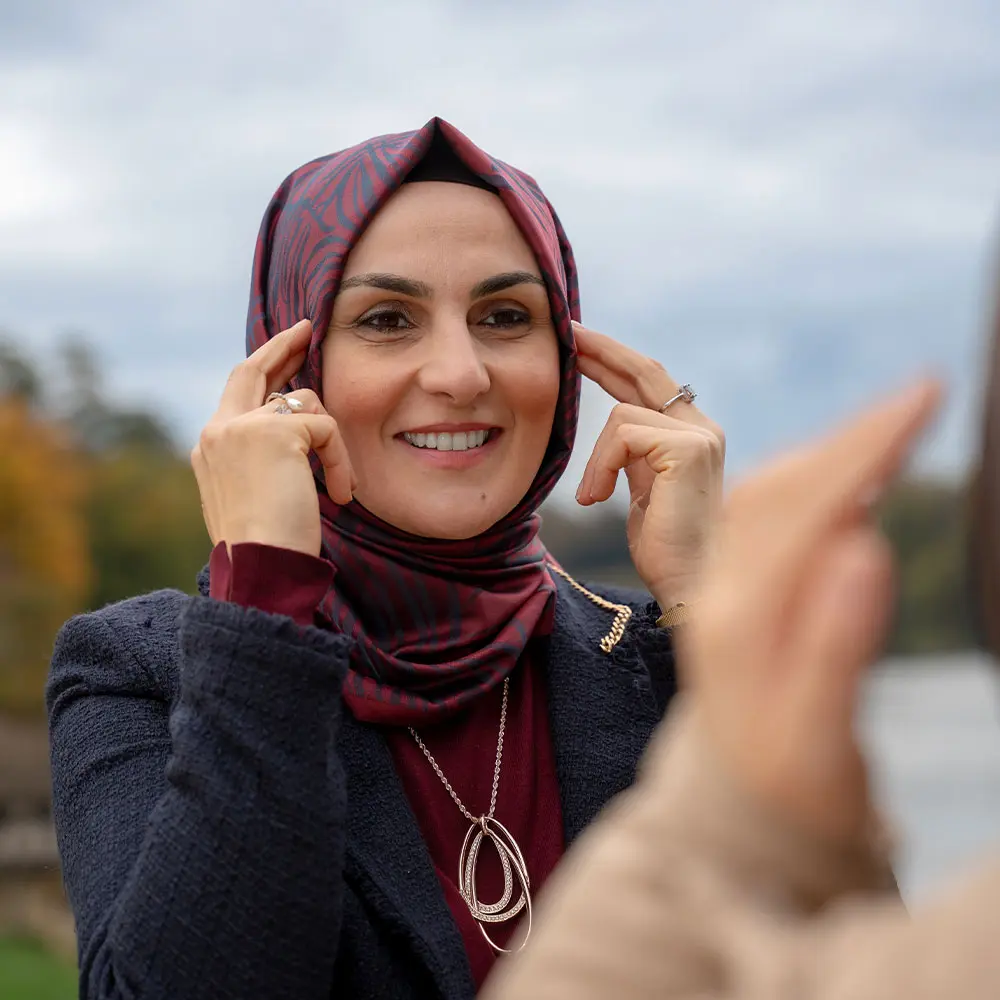
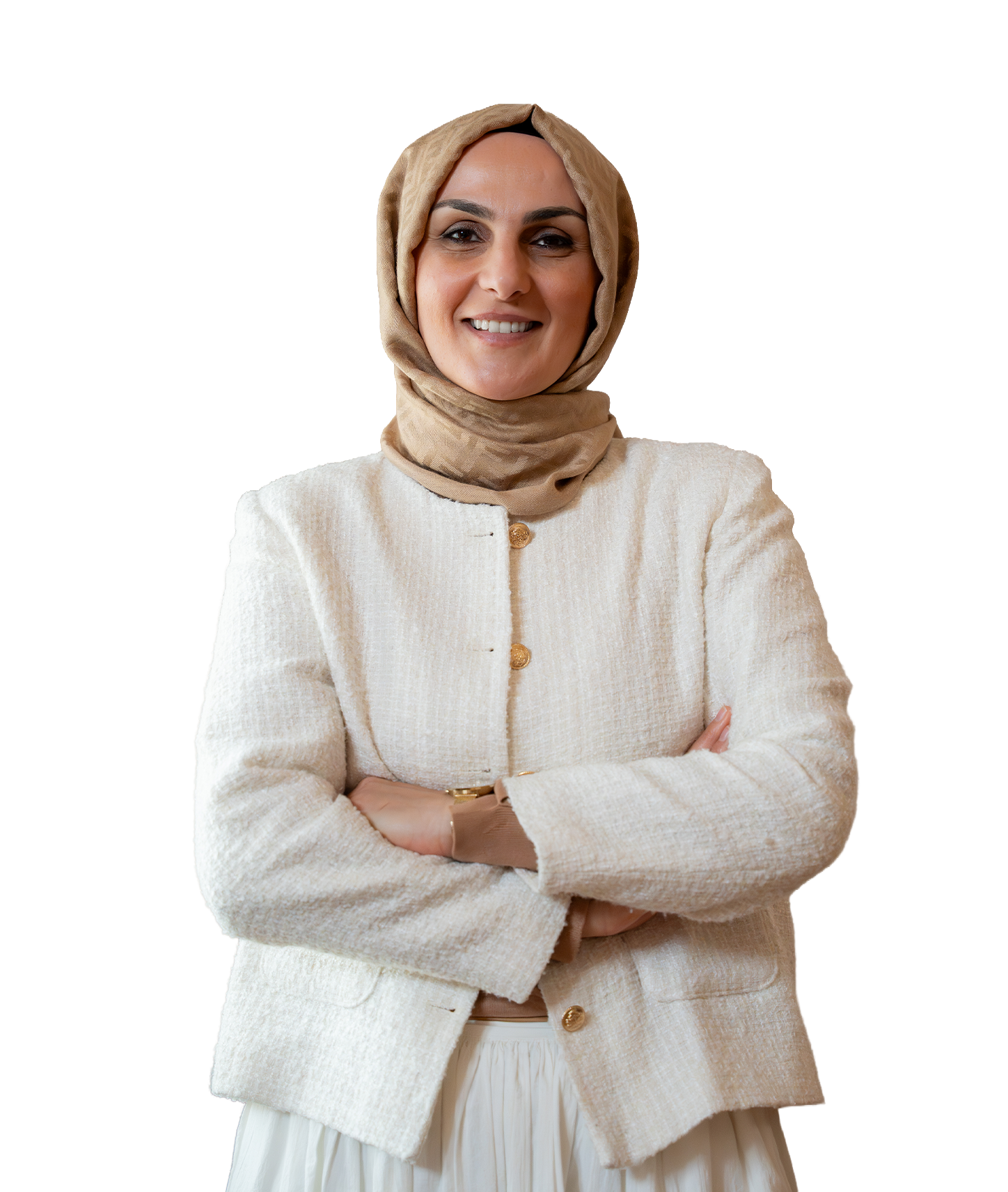
Gülay Gecü
Scientifically Based Psychoeducational and Therapeutic Approach
With an educational background in Public Administration, History, and Psychology, Gülay Gecü has developed a holistic perspective in the field of mental health through over 20 years of professional experience. Her work focuses not only on an individual’s current symptoms but also on their developmental history, their position within the family system, and lifelong learned regulation models.
Gecü’s approach is rooted in the understanding that theoretical knowledge produced in the fields of psychology and psychotherapy must be transformed into supportive skills starting from an individual’s early stages. Consequently, her work addresses emotional awareness, self-regulation, stress management skills, and psychological resilience within a lifelong development perspective.
Within this framework, EFT (Emotional Freedom Techniques) is positioned not merely as a technique, but as a structured psychoeducational method that supports the individual in establishing a healthier relationship with their own emotional and thought processes. In the model developed by Gülay Gecü, EFT is evaluated not only as a therapeutic intervention tool but also as a component of preventive and developmental mental health services.
Her areas of expertise include EFT Practitioner Training, Systemic Family Therapy, trauma-informed practices, and practitioner training programs. Her educational approach aims for more than just the mechanical transmission of a method; it targets the development of case assessment skills, ethical boundary awareness, and professional responsibility.
Recognized by The Guild of Energists (GoE) as the trainer who trained the highest number of practitioners worldwide for three consecutive years, she has gained experience with over 20,000 individual cases in her professional practice and has trained more than 700 practitioners through structured programs. These data demonstrate that her work is built upon field-based expertise rather than being purely theoretical.
Her core vision is to develop educational models that are scientifically grounded and aligned with ethical principles, in collaboration with universities, public institutions, and relevant stakeholders. These programs are designed within a pedagogical framework that is inclusive, age-sensitive, and compatible with cultural and spiritual values; they aim to support the psychological well-being of a wide range of individuals, from young adults to older age groups.
Gülay Gecü’s work aims for the construction of a sustainable, systemic, and scientific approach in the field of mental health that goes beyond a single method.
Theoretical Framework and Application Areas
The EFT Journey approach does not treat different methods as independent techniques; instead, it integrates them as core components of a holistic psychoeducational model. The scope of these studies includes:
● EFT (Emotional Freedom Techniques) applications and practitioner trainings.
● Practices based on Systemic Family Therapy.
● Trauma-informed psychoeducational programs.
● Structured certification processes for professionals.
Within this model, EFT is positioned not merely as a therapeutic intervention tool, but as an integral part of preventive and developmental mental health services. The method is approached as a structured framework that supports the individual in establishing a healthy relationship with their own emotional and cognitive processes.
Experience and Academic Responsibility
In her professional practice, Gülay Gecü has acquired experience with over 20,000 individual cases and has trained more than 700 practitioners through structured educational programs. She has been recognized by The Guild of Energists (GoE) as the trainer who has trained the highest number of experts worldwide for three consecutive years.
These figures demonstrate that the work conducted is not based on “pop-culture” trends, but rather on a systematic, field-based expertise.
Vision
The primary objective is to develop educational programs that are scientifically grounded and aligned with ethical principles, in collaboration with universities, public institutions, and relevant stakeholders.
These programs are designed within a pedagogical framework that is inclusive, age-sensitive, and respectful of cultural and spiritual contexts. The ultimate goal is to produce sustainable models that support the psychological well-being of individuals.