
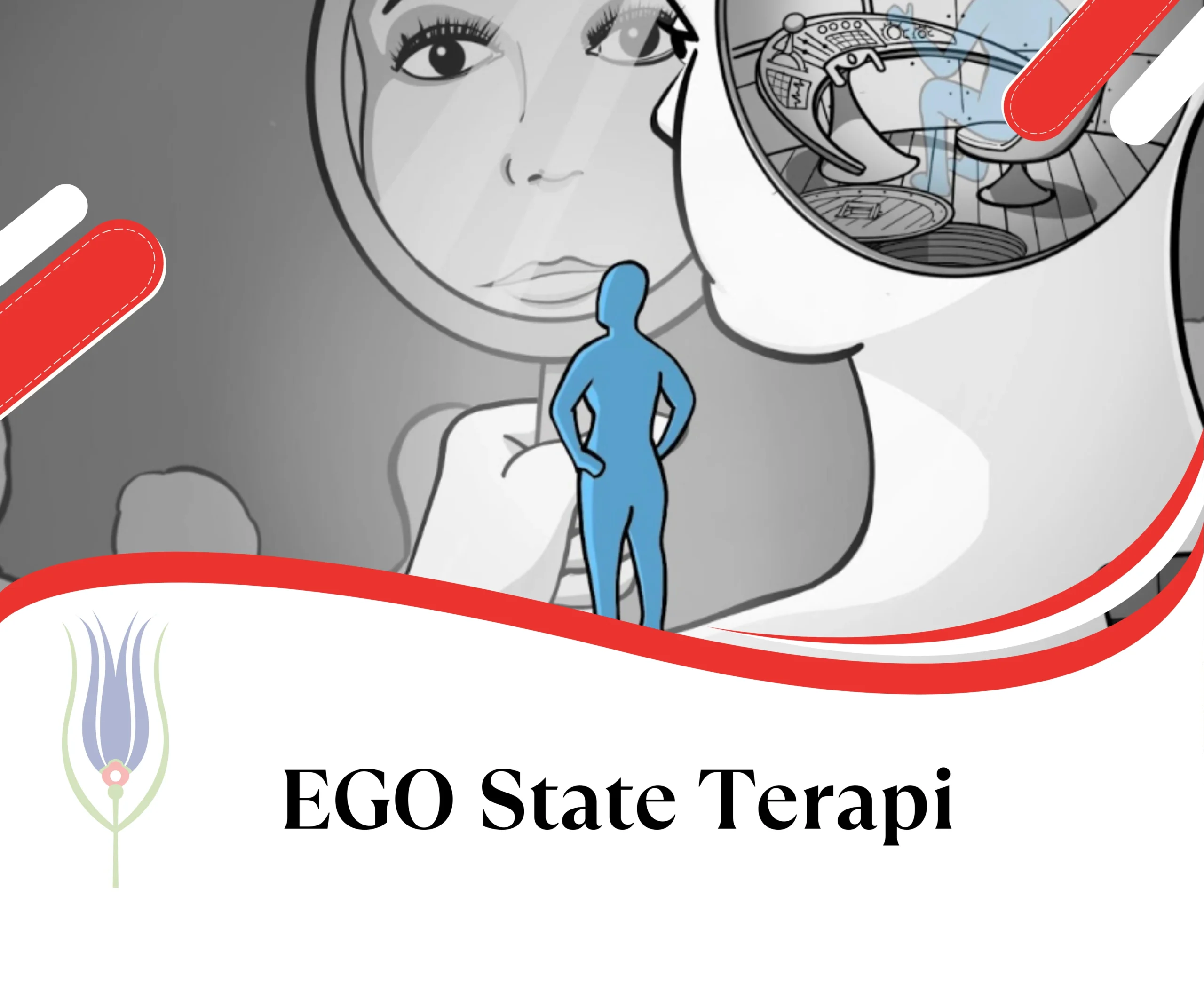
What is Ego State Therapy?
Ego State Therapy is a psychotherapeutic method based on the idea that the personality is composed of various “selves,” each with its own unique patterns of thought, emotion, and behavior. This therapy aims to help individuals understand their internal parts, ensure harmony between these states, and resolve conflicts, particularly those stemming from traumatic experiences.
In this approach, each ego state carries a specific experience, life event, or emotional need. While some ego states support a person’s life, others may remain “stuck” in the present due to the influence of past challenging experiences. The Ego State Therapy process focuses on understanding why these parts emerged, identifying the needs they fulfill, and gently transforming burdens that are no longer functional. For the client, this process often evolves into an experience of “self-discovery” and “connecting with one’s inner world.”
Core Principles of Ego State Therapy
The simplest answer to the question “What is Ego State Therapy?” is this: It is a therapy method aimed at establishing a conscious relationship with the different self-states existing within an individual’s inner world. In this approach, instead of viewing emotional reactions and behavioral patterns as a single monolithic block, the client learns to understand them separately. Thus, the question “Why do I feel this way?” is replaced by the awareness of “Which part of me is active right now?”
The process prioritizes the client’s safety and boundaries. While working with internal parts, challenging memories or emotions are handled at a pace suitable for the client. The goal is not to pull the person into the past, but to organize parts coming from the past using today’s consciousness. As the therapist guides the client in establishing balance, the client gradually takes responsibility for their own internal system, leading to a more robust and integrated sense of self in the long run.
-
Internal Self-States: Assumes that personality is made of various “ego states” (e.g., “child self,” “parent self,” “teacher self”) arising from different life roles and experiences.
-
Wholeness and Integration: The goal of treatment is to harmonize these states and ensure they work cooperatively to increase the individual’s overall well-being.
-
Coping with Trauma: Traumatic events can cause fragmentations in self-states. Therapy aims for healing by working with “wounded” or “fear-bearing” states created by trauma.
-
Conflict Resolution: Teaches how to recognize and constructively resolve contradictions between different self-states, applicable to both past and present conflicts.
Areas of Use for Ego State Therapy
Ego State Therapy offers an effective field of work, especially in situations where internal conflicts are intense. In cases of repetitive behavior patterns, unresolved emotional reactions, or past experiences affecting current relationships, internal parts are often working in disharmony. This approach helps identify and regulate that mismatch.
Traumatic experiences, childhood events, suppressed emotions, or harsh internal dialogues are frequently addressed topics. During the process, a client may realize that the parts that “sabotage” or “challenge” them were actually trying to protect them at one point. This awareness reduces internal judgment and fosters a more compassionate attitude toward oneself. In this sense, Ego State Therapy is not just a healing process but a deep work of internal awareness.
What is the Process Like for the Client?
The process is shaped according to the client’s needs and does not follow a standard mold. Initial sessions focus on understanding the client’s life story, current challenges, and internal reactions. Then, the dominant or conflicting ego states are identified. Throughout this, the client experiences a safe space to explore their inner world without judgment.
The client is an active participant. The therapy never forces entry into areas the client is not ready for. Contact with internal parts progresses according to the client’s resilience. Over time, the client can more clearly distinguish what is happening internally, understand the source of their emotions, and manage their reactions more consciously. One of the strongest aspects of Ego State Therapy is that it teaches the client “how to work with themselves.”
-
Session Duration: Approximately 1 hour.
-
Session Frequency: Determined based on the client’s needs.